
Artemis II mission splashes down, returning to Earth
Posted on : 11 Apr 2026 | By : Erum Salam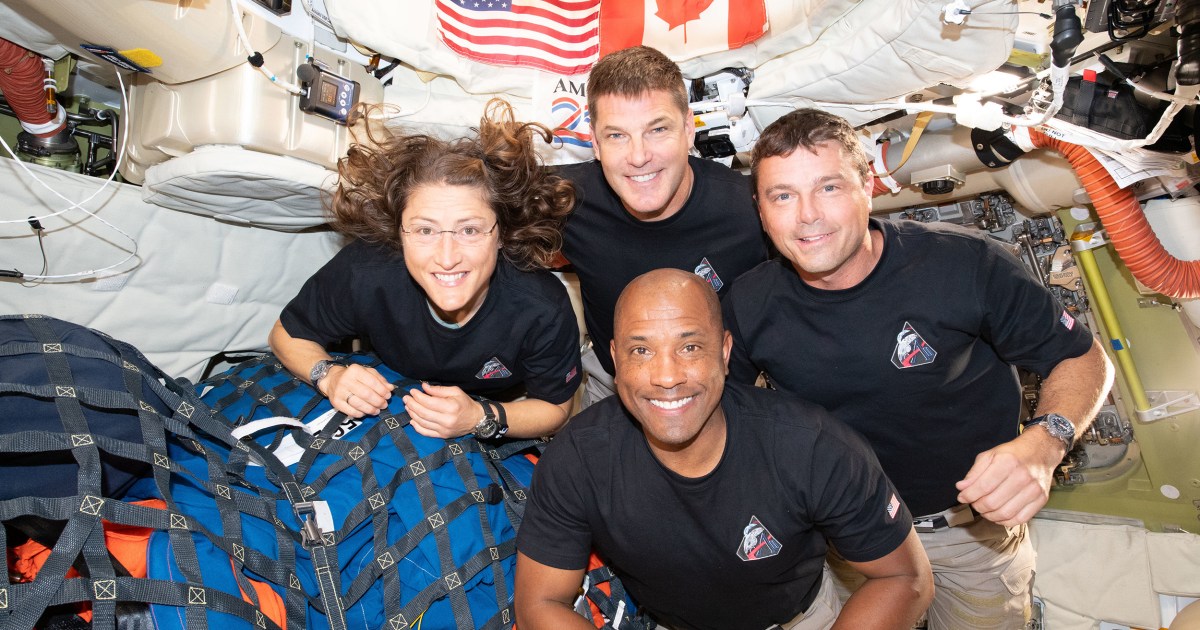
Artemis II mission splashes down, returning to Earth...
After making history as the farthest journey into space humans have ever made, NASA’s Artemis II mission returned to Earth on Friday, splashing down off the coast southwest of San Diego. The Artemis II crew splashed down successfully at 5:07 and 47 seconds p.m., Pacific Time. The entire mission, beginning from liftoff, took a total of nine days, one hour, 31 minutes and 35 seconds — which NASA rounds up, to call it a 10-day mission. The Orion spacecraft launched last week from the Kennedy Space Center in Florida, the first crewed flight to the moon in more than 50 years. In the buildup to the mission, questions about the craft’s heat shield led to concerns among some experts about whether Orion would hold up on re-entry to the Earth’s atmosphere, the most perilous part of any crewed mission. A NASA-commissioned panel ultimately deemed the ship safe, with the astronauts themselves endorsing it ahead of time. The four-member crew — NASA astronauts Reid Wiseman, Victor Glover and Christina Koch, along with Canadian Space Agency astronaut Jeremy Hansen — embarked on a 10-day mission to fly around the moon, setting the stage for future missions aimed at establishing a permanent lunar base. On April 6, the spacecraft reached 252,756 miles from Earth, the farthest such distance traveled by humans. Artemis II broke Apollo 13 crew’s record of 248,655 miles, set in 1970. The crew conducted a seven-hour lunar flyby, coming within about 4,000 miles of the moon’s surface and seeing areas of the moon never before seen by the naked eye. In addition to testing the spacecraft, the astronauts studied the far side of the moon during a solar eclipse and observed lunar geological features and color variations. Now back on Earth, the astronauts will undergo medical evaluations before heading to shore and traveling to NASA’s Johnson Space Center in Houston. The next such mission, Artemis III, is expected to launch next year. This is a developing story. Check back for updates.